Applied Statistics and Machine Learning in Life Sciences
COVID-19 Transmission Model
Mechanistic models and Bayesian statistics applied to analyze and forecast the spread of the COVID-19 virus, offering insights into effective control measures.
Protein Mutations
Using machine learning to predict the functional and structural impact of protein mutations, crucial for drug design and understanding genetic diseases.
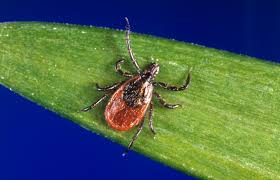
Tick Presence in Urban Parks
A geographical and environmental data-driven model using Machine Learning to identify and predict high-risk areas for tick presence in urban green spaces.
Wine Classification
Applying advanced Machine Learning techniques to chemical sensor data (voltammetry/spectroscopy) for highly accurate classification of Rioja wine based on origin and ageing period.
Armillaria Disease in Vineyard Plants
Statistical and longitudinal analysis of disease progression caused by the Armillaria fungus in vineyards to support early diagnosis and management strategies.
Leaf Blades - Nutrient Analysis
Developing robust regression models to non-destructively estimate key nutrient concentrations in leaf tissue using spectral data.
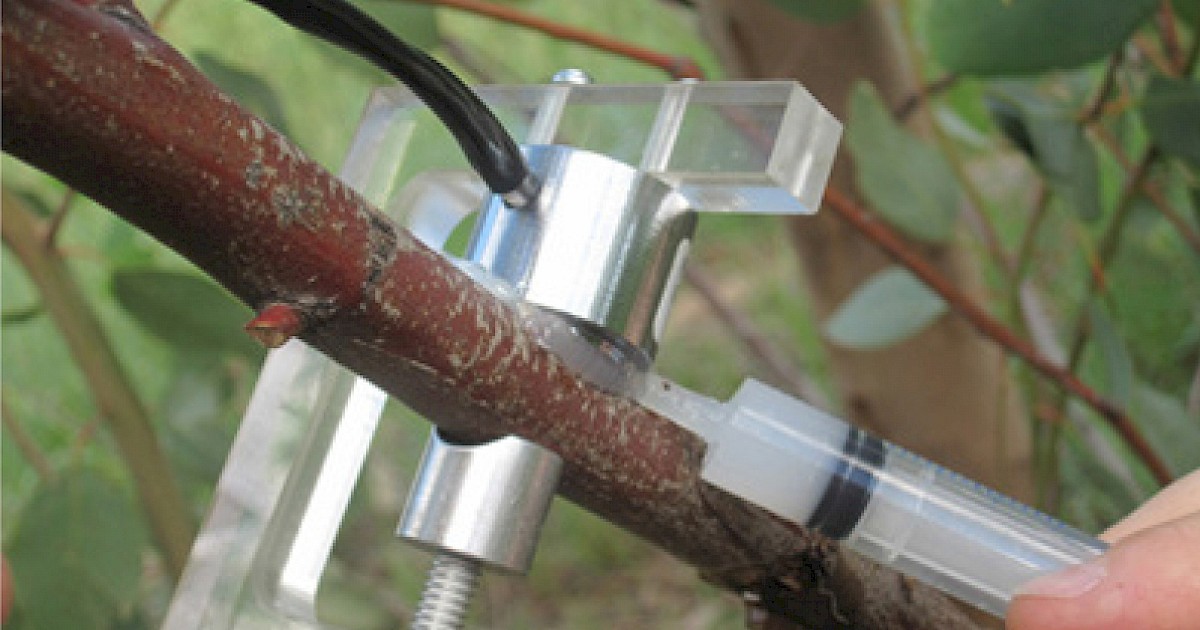
Leaf Blades - Stem Water Potential
Utilizing advanced physiological monitoring and predictive modeling to non-destructively quantify stem water potential and optimize plant hydration status.
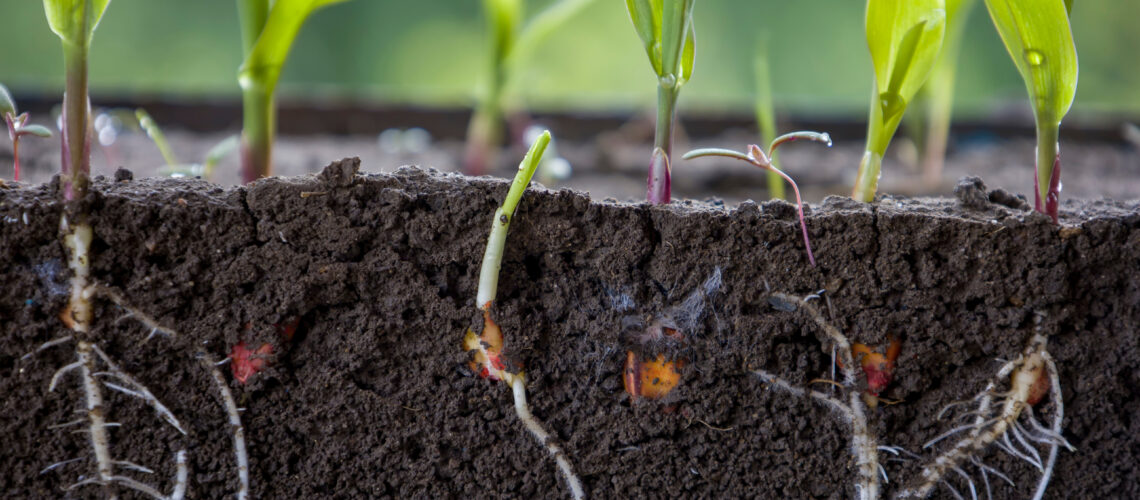
Soil Nutrient Analysis - Regression Models
Leveraging machine learning and proximal sensing to quantify essential soil macro and micronutrients. This project focuses on developing high-throughput predictive models to replace traditional, labor-intensive chemical analysis, facilitating precision fertilization and sustainable land management.
Yeast Population Dynamics
Modeling the competitive and cooperative dynamics of mixed yeast cultures during industrial fermentation to optimize end-product quality and yield.